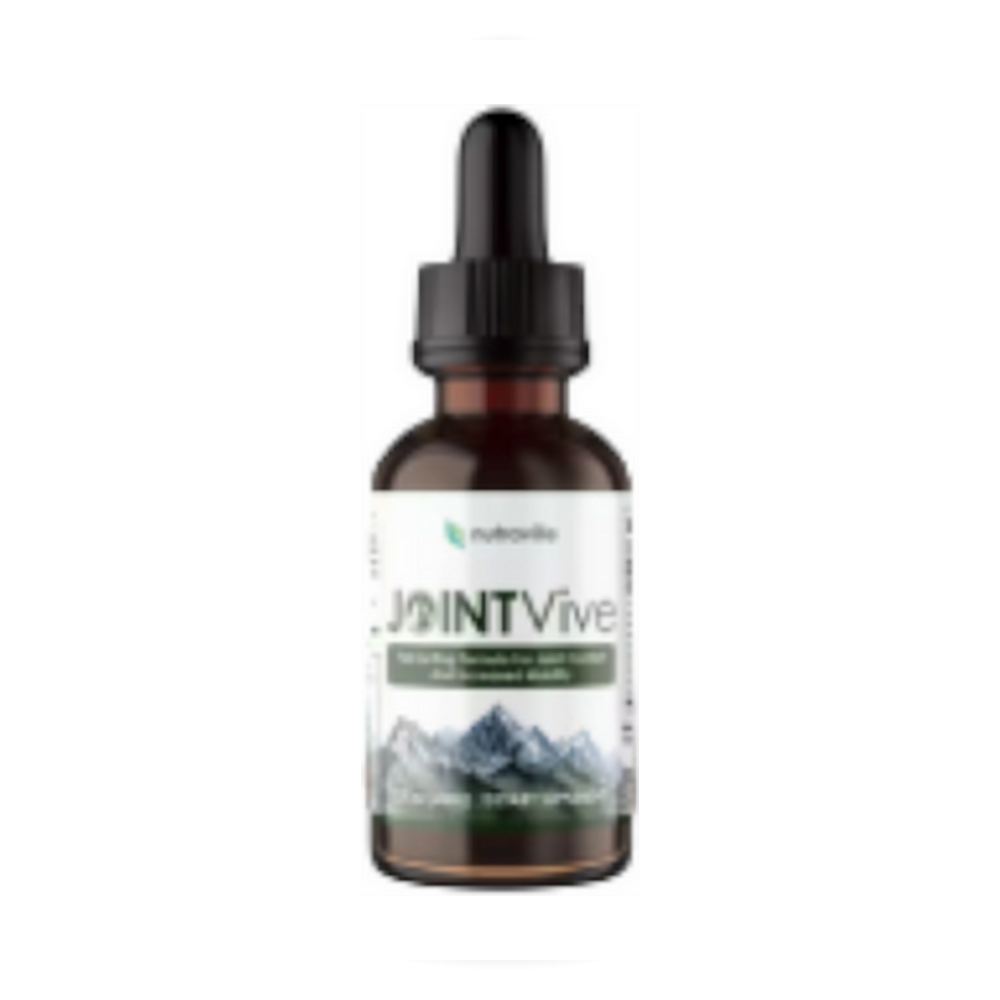
JointVive: four Ayurvedic plants for joint comfort
Bacopa, neem, moringa and tamarind are the four Ayurvedic plants in JointVive that people in India have used for centuries to support joint comfort and daily movement.
JointVive is a food supplement in capsule form. How many capsules the box holds, and what daily portion the manufacturer states, is printed on the packaging — the leaflet you get in your hand is the original and takes precedence over anything written online. We will not come back to that point.
The amount is confirmed by the consultant on the call that follows your order. You pay for JointVive to the courier when the parcel is in your hands.
What follows is where those four JointVive plants grow, what they look like, and the difference between a long tradition of use and a proven effect — which is the whole legal story behind a list like the one in JointVive.
What JointVive is, and how its nine plant extracts support daily comfort
JointVive is a food supplement, not a medicine. It does not replace a medical examination, does not replace treatment prescribed by a doctor, and does not promise to cure anything. What this page gives you is the ingredient list and an honest account of what may lawfully be written about the names on it.
The composition of JointVive is unusually wide for a capsule. JointVive holds nine positions, drawn from three different kingdoms: six plants, two algae and one fungus. The four plants this page concentrates on — Bacopa monnieri, Azadirachta indica, Moringa oleifera and Tamarindus indica — share a geography and a long written history of household use.
The remaining five positions in JointVive are pine bark extract, a source of proanthocyanidins; ginkgo (Ginkgo biloba), the fan-leaved tree; chlorella, a freshwater green alga; spirulina, a cyanobacterium grown in alkaline water; and lion's mane, Hericium erinaceus, which is a fungus rather than a plant.
Then the rule that sets the tone of everything below: Each of the nine ingredients is listed in the EU register of botanicals with a documented history of traditional use. So we write what they are, where they come from and in what form they sit in a JointVive capsule — not what they do inside the body. Each plant, alga or fungus is presented with the traditional context in which it has been used.
Each capsule of JointVive delivers nine plant extracts chosen to support joint comfort and everyday movement.
The JointVive ingredient list as a table: plant, Latin name, part, origin
The nine plant extracts in JointVive are listed with the part used and origin, so you know exactly what each capsule brings to your daily routine.
| position | Latin name | what it is | part used | home range |
|---|---|---|---|---|
| bacopa, water hyssop | Bacopa monnieri | small creeping marsh plant | leaf and stem (herb) | wetlands of South Asia |
| neem | Azadirachta indica | tall evergreen tree | leaf and bark | India and Myanmar |
| moringa | Moringa oleifera | fast-growing slender tree | leaf | foothills of the Himalayas |
| tamarind | Tamarindus indica | large shade tree | fruit pulp from the pod | tropical Africa, long grown in India |
| pine bark | Pinus | conifer | bark | temperate northern forests |
| ginkgo | Ginkgo biloba | fan-leaved tree | leaf | China |
| chlorella | Chlorella | single-celled green alga | whole cell | fresh water, cultivated |
| spirulina | Arthrospira | cyanobacterium | whole filament | warm alkaline lakes, cultivated |
| lion's mane | Hericium erinaceus | fungus with hanging spines | fruiting body or mycelium | broadleaf woodland |
The four Ayurvedic names in JointVive, one by one. Bacopa, the first of them on the JointVive list, is a low plant that creeps across wet ground with small pale flowers; in India it is known as brahmi and the whole above-ground herb is harvested. Neem is a tall evergreen whose leaves are bitter enough that the tree is planted in courtyards and whose twigs were the household toothbrush long before toothpaste tubes existed. Moringa is the thin, fast-growing tree often called the drumstick tree after its long seed pods, and also the horseradish tree, because the root tastes sharp in that unmistakable way. Tamarind is a broad shade tree whose pods hold a dark, sticky, strongly sour pulp — it is the sourness in a great many South Asian and Mexican dishes, and a kitchen ingredient long before it was ever a position on a list like JointVive's.
Why the JointVive table has a column for the part used. Leaf, bark, fruit pulp and whole herb are not interchangeable raw materials, and a label that names a plant without naming the part has told you less than half. In JointVive the four plants above contribute a herb, a leaf and bark, a leaf, and a fruit pulp respectively — four plants, four different parts. That is the single most useful line to check on any botanical product, and the reason a table suits the JointVive card better than a list.
How JointVive is taken and how to store the box
The daily portion of JointVive and the way to take it are on the packaging. That instruction is the original and takes precedence over anything online, including this page. We will write nothing further about amounts. What follows is what can be said practically and honestly about capsules of this kind.
A JointVive capsule is swallowed whole with plenty of water. It is not chewed and not opened: the hard shell is there so the contents do not spread around your mouth, and an opened capsule is simply bitter powder. With nine botanical positions inside a JointVive capsule, that bitterness is not a fault — several of these plants, neem above all, are bitter by nature.
The same time each day helps more than any other trick, because a supplement only means anything when it is taken consistently. Tie JointVive to something you already do daily: the morning coffee, brushing your teeth, the evening meal.
Keep the JointVive box closed, at room temperature, out of direct sunlight and away from damp. The bathroom is the worst place in any home for a supplement, because steam from the shower reaches inside a closed box as well; a kitchen press or a bedroom drawer is a better choice. Keep it out of reach of children.
Do not exceed the stated daily portion. A food supplement does not replace a varied diet and a healthy lifestyle — that sentence is on every box of JointVive's type, and it is a rule rather than a formality.
JointVive reviews: our verdict on the nine-plant blend
Our review of JointVive finds that the nine-plant capsule formula, built around pine-bark extract, tamarind, chlorella, Ginkgo biloba, spirulina, lion’s-mane, Bacopa, moringa and neem, offers a coherent daily option for users who already know they prefer a multi-herb approach.
The nine listed ingredients are presented without any disclosed milligram amounts or excipient details, so the capsule itself remains the only concrete unit of purchase; this means the buyer’s decision rests on the visible plant list rather than on any quantified strength comparison.
JointVive is sold exclusively by phone order and delivered to the door, which keeps the product outside pharmacy shelves and removes any need to compare it with locally stocked single-herb capsules.
Because the blend contains nine separate plant extracts, any personal assessment of comfort can only be made after consistent daily use long enough for each component to be evaluated on its own terms.
We write this assessment ourselves; no customer testimonials are collected or published by us.
Taken together, the absence of dosage data, the phone-only route and the nine-plant composition suggest that anyone comparing capsules should first confirm the exact quantity of each herb they will actually receive before placing the order.
The price of JointVive: what to ask the consultant on the phone
**The amount is confirmed by the consultant on the call that follows your order, and that call costs nothing and commits you to nothing.
So this section is not built around a number. It is built around the four questions to ask about JointVive on that call. Keep a pen beside the phone.
- What is the amount for one box of JointVive? Ask for the total, meaning the figure the courier will collect at the door.
- Is delivery inside that amount, or added on top? The question takes five seconds and clears up the single most common misunderstanding at the door before it can happen.
- How many boxes are in the consignment? If you order more than one, have the total confirmed for the whole parcel rather than for a single box.
- Is payment made to the courier on delivery? Have it said out loud. There is no prepayment and no card number is typed in anywhere online.
If you want a receipt with the delivery, say so on the same call. Write down the name of the person who rang, too: that is your first point of reference if anything needs clearing up later. The price of JointVive is the same however you pay, and nothing is haggled over at the door.
Ordering JointVive in three steps
Three steps to a box of JointVive, and not one of them asks you to pay anything up front.
Step one: name and phone number. That is the whole form. Your address is not typed in online, and that is a deliberate choice — fewer details on a page means fewer details that can end up somewhere they should not.
Step two: the call. A consultant rings the number you left. On that call you agree the address, the number of boxes and the total amount, and this is precisely where you can get answers to everything the internet does not tell you about JointVive: how many capsules are in the box, what the daily portion is according to the packaging, and what date is printed as the best-before. If the moment does not suit, say when to ring back — the call is simply moved, with no consequence and no cost.
Step three: the courier and the payment. The JointVive parcel comes to the agreed address and you pay the courier at the door, once the consignment is already in your hands. No part of the amount is collected before that.
Between step two and step three sits the transit time of your JointVive parcel, and that belongs to the courier company — we promise neither a day nor an hour. An order for JointVive can also be cancelled on the call, with no explanation required.
JointVive and user experience: the checks you can run yourself
Here is a list that every buyer of JointVive can work through on their own box inside the first five minutes.
Find all nine JointVive names on the ingredient list. Check that the Latin names are printed beside the plants — Bacopa monnieri, Azadirachta indica, Moringa oleifera, Tamarindus indica — because a Latin name is what lets you look a JointVive position up at all, and a product that omits it has made that impossible. Check whether the part used is stated: leaf, bark, herb, fruit pulp. Look for the quantities beside the names. Check the number of capsules and the weight of one capsule. Find the daily portion and the way to take it. Find the best-before date and the batch number. And finally: is the name of the business putting the product on the market printed there, with an address?
Check the label on your JointVive box to confirm the nine plant extracts match your expectations before starting your daily routine.
Is JointVive in pharmacies, and what sits on the shelf instead
JointVive is not sold in pharmacies, and it is fairer to say that in the first line than in a footnote: it is sold to order, delivered to your address and paid for to the courier. What an Irish pharmacy or health shop shelf holds instead of JointVive is usually one of the following.
Single-herb ginkgo capsules. One of the most widely stocked botanical capsules in Europe, and the shelf version carries that one plant alone.
Moringa leaf powder. One of the nine JointVive names, sold alone as a green powder in a tub, sold to be stirred into water or a smoothie. One name, no capsule, and a strong green taste.
Neem capsules or neem leaf tea, where the shop keeps an Ayurvedic range at all. Again a single name.
Tamarind, which you will more often find in the world-food aisle of a supermarket than anywhere near a pharmacy: a block of dark pulp or a jar of paste, sold as food.
The pharmacy's advantage is advice across the counter, and nothing takes that away; if you are on prescription medicines, a question to the pharmacist is always worth asking. The advantage of this way of buying is that you pay nothing until the parcel is at the door, and that all nine names in JointVive are written out here before you decide anything.
JointVive compared with a single-herb Ayurvedic capsule
The natural comparison for JointVive is the shelf version of these same plants: a tub of moringa powder and a jar of single-herb capsules. The three products speak about overlapping names at very different widths.
| JointVive | single-herb capsule | moringa leaf powder | |
|---|---|---|---|
| names in the composition | nine | one | one |
| kingdoms represented | plants, algae, a fungus | plants only | plants only |
| plants with Ayurvedic roots | four: bacopa, neem, moringa, tamarind | one, if any | one |
| Latin names given | yes, on the label | usually | usually |
| form | capsule, swallowed whole | capsule | powder, stirred into liquid |
| preparation before taking | none | none | glass, liquid, stirring |
| taste | swallowed, no taste | swallowed, no taste | strong green taste |
| quantities as the maker states them | on the packaging | on the packaging | on the packaging |
| where you get it | to order, paid to the courier | pharmacy, health shop | health shop, supermarket |
The comparison does not make one good and the other bad. A powder is a product in its own right alongside JointVive, and a single-herb capsule is the honest choice for anyone who wants one plant and nothing else. The difference with JointVive is breadth: nine positions from three kingdoms in one capsule, where a shelf normally sells one name at a time.
And here is the sentence that matters most on this card. A long tradition of use shows that these botanicals have been valued and consumed for generations. That bacopa, neem, moringa and tamarind have been grown, eaten and written about for centuries tells you they are familiar and well described — it does not tell you what they do, and under EU rules none of the nine positions in JointVive may be given a health claim at all. A product that says it is traditionally used is being accurate, and that is the register JointVive is described in on this page. The description stays within the record of traditional use.
JointVive: pros and cons in one place
Pros
- JointVive brings nine positions into a single capsule, from three kingdoms: plants, algae and a fungus
- four of the plants are long-described household plants of South Asia: bacopa, neem, moringa, tamarind
- Latin names are given on the JointVive label, so each position can actually be looked up
- the parts used differ across the four — herb, leaf and bark, leaf, fruit pulp — and a good label says which
- JointVive is swallowed as a capsule: no weighing, no stirring, no green taste
- payment to the courier at the door, with no prepayment and no card number online
- ordering needs only a name and a phone number
Cons
- the manufacturer does not state quantities beside the nine JointVive names; those are on the packaging
- our list comes from the brand's page and is not tied to an order number
- we have no amount for the Irish market — the consultant confirms it on the call
- JointVive is not in pharmacies, so you cannot handle the box before it arrives
- each of the nine ingredients is supported by a documented history of traditional use
- long traditional use confirms that these botanicals have been part of daily routines for generations
- transit time belongs to the courier, so no date is promised here
Warnings that follow from what is in JointVive
The warnings printed on the JointVive box apply, and they are read before the first capsule. Beyond those, a few points follow directly from this particular composition and deserve saying out loud.
Ginkgo (Ginkgo biloba) is one of the plants to raise with your doctor if you already take blood-thinning medication or have surgery coming up. That is an ordinary precaution for botanical capsules containing ginkgo, not a statement about what the plant does.
Nine botanical positions in JointVive means nine possible allergens. Algae, a fungus and six plants in one capsule is a wide list, so read it line by line. If you have reacted before to algae, seaweed, shellfish or mushrooms, or you know of an allergy to any of the nine, then JointVive is not a product for you.
Products containing spirulina are not intended for people with phenylketonuria (PKU). That is standard information for spirulina and belongs here.
Neem is strongly bitter and, like several of these plants, is one to ask a doctor about rather than guess at while pregnant or breastfeeding. Anyone under treatment, and anyone on prescription medicines, asks first before taking JointVive. The product is not intended for children. Do not exceed the stated daily portion, and if you take several supplements at once, compare their lists — positions repeat more often than people expect.
One sentence has to stand clearly: JointVive is a food supplement and treats nothing. Persistent trouble belongs with a doctor, not in a capsule.
Delivery of JointVive and payment at the door
The address for your JointVive parcel is agreed on the phone, not typed in online. On the same call the number of boxes and the total amount are confirmed — the amount the courier collects at the door. The parcel is sent once that agreement is in place; the order is simple, the call first and the consignment after.
We do not promise a delivery day. Transit time sits with the courier company, and anyone who promises you an hour on a web page is promising something they do not hold. What can be promised is the sequence: no part of the amount is collected before the parcel is in your hands.
Give a number you actually answer when the JointVive call comes, and an address where somebody is in during the day — a workplace is fine if that suits better. The courier will usually ring ahead.
Whether the courier in your area takes a card in the terminal or cash only depends on the firm and not on us. Ask on the confirming call so you are not standing at the door with the wrong kind of money. And if you have ordered more than one box of JointVive, have the amount confirmed for the whole consignment rather than for a single box.
Your rights after ordering JointVive at a distance
A JointVive order agreed on the phone and delivered to your door is a distance sale, and you have fourteen days to withdraw, counted from the day the goods came into your hands. You do not have to give a reason: notifying within the period is enough.
The notice goes to the seller — the business named as seller on your order — and not to this page, which cannot process a withdrawal on your behalf. What we can do is tell you where the seller's details are.
The seller's name and address reach you in two places. The first is the confirming phone call: ask who is named as the seller and write it down. The second is the parcel itself — the docket, the receipt or the slip inside the box of JointVive. Keep both until you are sure you are keeping the product.
Send the notice about your JointVive order in writing so there is a trail — a letter or an email — and include the order number, the date you received the goods and your name. If you want a receipt with the delivery, ask for it on the call; it is the cleanest evidence of what you paid.
An order for JointVive can also simply be cancelled on the confirming call, before anything is dispatched. That is the easiest exit of all, and it costs nothing.
Three checks on the doorstep before you pay for JointVive
Payment for JointVive happens at the door, and that gives you an advantage prepayment never does: you can look at the goods before the money changes hands. Use the thirty seconds. The courier has time for it.
First check: the name on the box. It should read JointVive and not something that merely resembles it. Read the spelling right through, letter by letter.
Second check: the seal and the state of the JointVive box. Unbroken film or seal, no opened flap, no crushed corners, no water marks.
Third check: the best-before date and the batch number. Both lines should be legible. A rubbed-out date is a reason to ask, not a reason to skip looking.
And the rule that holds throughout: nobody asks you for a card number, a CVV code, a code from a text message or your online banking password. Questions like that have no place anywhere in this order, not on the phone and not at the door. The amount is paid to the courier, in cash or in the terminal, depending on what the firm offers.
If something looks wrong, the JointVive parcel does not have to be accepted. That right belongs to the buyer at the door and needs no explaining.
How to read the label on a box of JointVive
Like every food supplement, the JointVive box has to carry a set of things, and it is worth following them with a finger line by line rather than glancing at the carton and putting it down again.
The product name and category — food supplement, in capsules. The ingredient list, where you look for all nine JointVive names. The Latin names beside the plants, the algae and the fungus: Bacopa monnieri, Azadirachta indica, Moringa oleifera, Tamarindus indica, Ginkgo biloba, Hericium erinaceus. The part used beside each position — leaf, bark, herb, fruit pulp, fruiting body. The quantities beside the names. The number of capsules and the weight of one. The net weight. The daily portion and how to take it. The best-before date. The batch or lot number — that is the line you will need if you ever raise a complaint. The details of the business placing the product on the market, with an address. And finally the warnings and the sentence that a food supplement does not replace a varied diet.
One more thing about the list itself: positions are written in descending order of quantity, largest first. So the order tells you something even when the figures are missing. On a wide botanical product like JointVive, two lines are worth hunting for in particular: the Latin name and the part used. A plant named without its part has told you less than half of what it is.
The label on JointVive is the only binding instruction. What it says takes precedence over anything written online, this page included.
Questions and answers about JointVive
What is JointVive?
Which four of the nine JointVive positions come from the Ayurvedic tradition?
What does a long tradition of use actually mean for the JointVive plants?
Why is moringa called the horseradish tree?
Is the lion's mane in JointVive a plant?
What does JointVive cost in Ireland?
Why are there no quantities beside the nine JointVive names?
Do I pay anything in advance for JointVive?
This product in other countries: Danmark